
Understanding keno odds explained well means treating the game like a numbers puzzle rather than a shortcut to a quick payout. The draw is random, the payouts are fixed by the paytable you choose, and the house edge sits in the difference between what you wager and what the table returns over time. For an Australian player used to reading the form on a Saturday footy card, the sensible approach is to know the probabilities first, then decide how much variance you are comfortable carrying into an arvo session.
How the Numbers Stack Up
Keno odds explained in plain terms start with the ticket you build. You pick a set of numbers, the operator draws twenty spots from a pool of eighty, and your payout depends on how many of your picks land. The catch is that matching more numbers is dramatically less likely, so the top prizes are funded by a very small slice of tickets hitting the far right of the probability curve. A typical paytable rewards three or four matches fairly often, while the big hits for eight, nine, or ten matches are rare enough that the advertised payout needs to be read alongside the odds of actually triggering it. That is where the house edge lives: the table is calibrated so the average return sits below the amount wagered, which is why chasing a large prize on every game tends to drain a balance faster than spreading smaller, more frequent hits across a session.
When I look at acquisition flows for iGaming products, the same discipline I use for community growth applies here: clear probabilities beat glossy promises every time. A player who can read a paytable and understand that a ten-spot ticket is a long shot, not a plan, is far less likely to overcommit on a whim. That mindset is closer to how a disciplined punter treats a multi leg than how a casual player treats a coin flip.
Reading the Paytable Without the Guesswork
Reading a paytable properly means checking three things in order: how many numbers you are playing, what the table pays for each match count, and whether the operator applies a multiplier or a capped top prize. A five-spot ticket usually offers a smoother curve of smaller returns, while a ten-spot ticket compresses most of its value into the upper end of the match ladder. Because the draw is fixed at twenty of eighty, the underlying probabilities do not change from one game to the next, so the differences you see between tickets are really differences in how the operator chooses to reward risk. That is the point where hedging your bets makes practical sense: playing a smaller set more often can keep the variance closer to what you expected, whereas stacking a large ticket is a concentrated bet on a rare outcome.
The localisation details matter here too. Australian players expect to see dollars and cents on the ticket, not a foreign currency symbol that hides the real stake, and they expect the paytable to be readable on a phone without pinching and scrolling through dense columns. When the interface presents the odds alongside the payouts in the same view, it removes the guesswork that often turns a casual game into an expensive misunderstanding. I have seen social media campaigns that lean too hard on the top-line prize and skip the probability context entirely, which is the wrong hook for a community that values straight answers.
The practical check is simple: count the matches that actually pay, note how often they are likely to occur, and compare that to the stake you are about to place. If a paytable only starts paying meaningfully at five or six matches on a ten-spot ticket, you are effectively buying a low-probability outcome at a premium. A more patient build, with a smaller set and a clear view of the mid-tier payouts, usually fits a session where you want entertainment with a known ceiling rather than a single spin that decides the whole afternoon.
Where This Fits a Real Session
For a Darwin player pulling out a phone between meetings or during a quiet stretch at the end of a long day, the useful question is not which ticket pays the most, but which ticket matches the kind of session you actually want. If you are after a slower burn with occasional small returns, a smaller spot count and a modest stake keeps the game in the entertainment band you can afford to carry. If you are chasing the rare big hit, you need to accept that the odds are stacked toward infrequent payouts and that the balance will move in larger swings. There is no wrong preference here, only a mismatch between expectation and paytable design that is easy to avoid once you have read the table properly.
The mobile experience is where this gets practical. A clean ticket builder, a paytable that shows the odds in the same screen as the prizes, and a stake control that is easy to set before you commit all reduce the friction that turns a quick game into a regrettable one. Support that can answer a paytable question without making you hunt through layers of menus matters more than a flashy welcome offer, because the question you are asking is usually about how the odds actually work, not about a slogan.
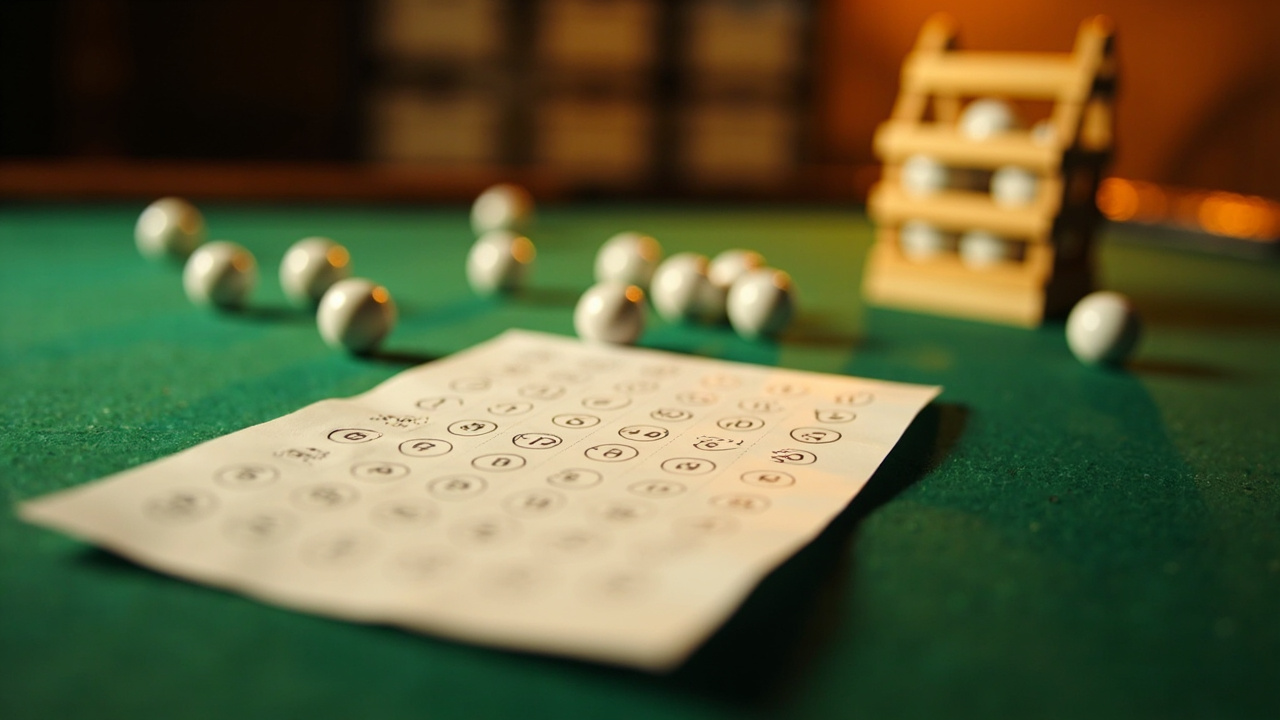
When every interaction feels immediate and transparent, players stay focused on the play rather than wrestling with hidden menus or delayed confirmations. That same commitment to clarity carries through to the broader platform, which you can explore further at https://elvisfrogtruewaysau.com/. Ultimately, a well-tuned interface doesn’t just streamline the session – it helps keep the experience enjoyable from the first tap to the final result.
The responsible gambling safeguards in place across reputable operators are there for a reason, and they are the part of the setup that keeps the game in the category it belongs to. Setting a limit before you play, treating the ticket as paid entertainment rather than a recovery plan, and walking away when the session has run its course are the habits that separate a controlled game from a costly one. The maths does not change based on how the afternoon is going, and neither should your approach to it.
The clearest way to approach keno odds explained is to treat the paytable as the product and the draw as the random element you cannot influence. Lucas Harris, Head of Product, Brighton Beach Betting Lab, puts it plainly: “A paytable that hides the probability curve behind a big top prize is asking for misread expectations, and misread expectations are where sessions go wrong.” Once you can see the curve, you can choose a ticket that fits the kind of session you want, keep the stakes in a band you are comfortable with, and let the draw do what it does without pretending the odds have shifted in your favour.