Most Aussies have seen a video poker machine at a local club or pub and assumed the maths sits somewhere near pokies. It does not. The video poker house edge shifts noticeably depending on which pay table the operator loads, and that difference decides whether a session is mathematically thin or genuinely punishing over time. I have spent more than a decade building transaction screens for sportsbook and casino interfaces, and the same discipline applies here: clear labels, honest payout grids, and no decorative clutter around the numbers. When a product hides the pay table behind a swipe or buries the return percentage in a help tab, it is not a design choice – it is a friction problem that costs the player time and the operator trust.
Reading the Pay Table Before You Press Deal
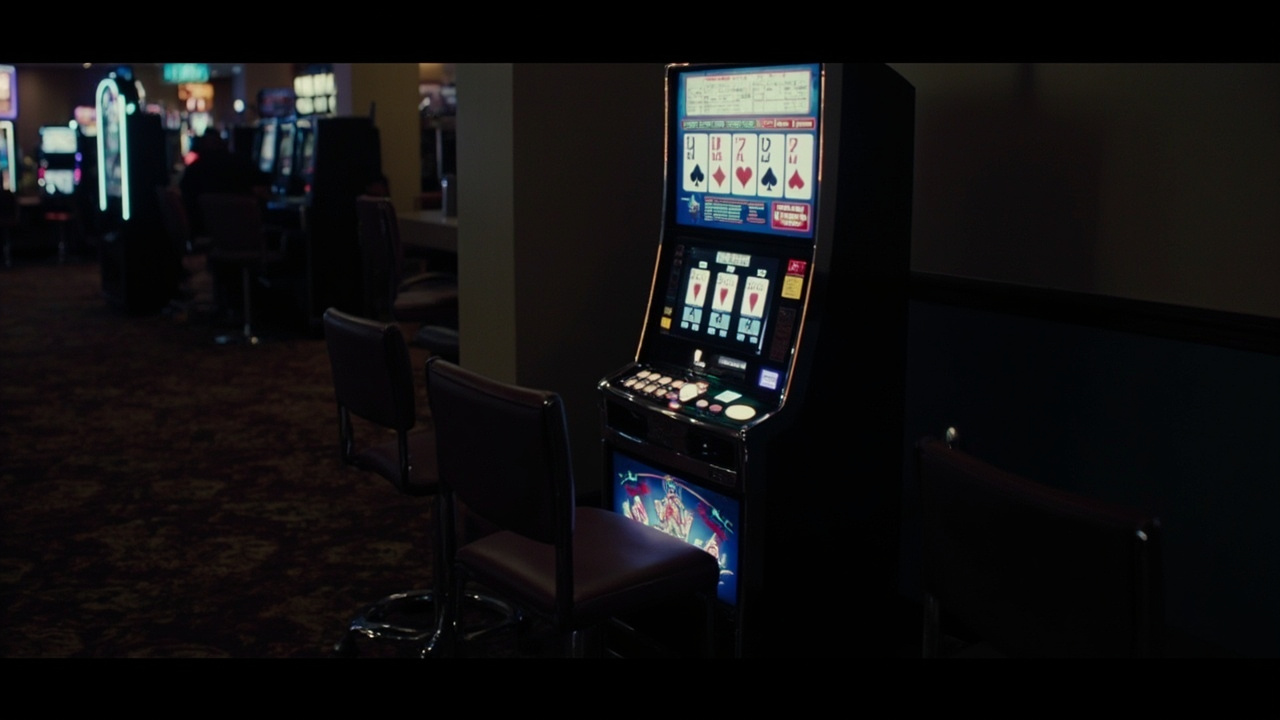
The first thing any sensible player does is read the pay table, and that is where the video poker house edge reveals itself. A 9/6 Jacks or Better grid returns roughly 99.54 per cent with perfect play, while a 8/5 version drops into the mid-97 per cent range and a short-pay 6/5 setup pushes the disadvantage well past two per cent. The difference looks small on paper, but it compounds every hand, and I have watched payment flows lose customers the moment the numbers stop matching the promise on the landing page. A well-built interface lists the full grid on the main screen, keeps the coin denomination visible, and never asks you to dig through a submenu to confirm what a royal flush actually pays. If the operator serves a demo version for familiarisation, you can spin through a few hands on the money train 3 demo to see how the grid renders before you commit any real balance. The point is not to chase a win; it is to verify that the numbers on the glass match the maths you are about to play against.
How Denominations, Lines and Bet Sizing Change the Edge
Coin value and lines interact with the edge in ways that catch people out, especially when a machine lets you bet one to five coins across twenty lines. Betting the minimum on a single line keeps the stake low but leaves you exposed to variance, while max-coin play on a full-pay machine is usually the only way to trigger the royal flush bonus that pulls the return back toward the theoretical ceiling. I have designed payout calculators for casino dashboards where the operator’s own figures had to reconcile with the displayed return, and the moment the denominations do not line up with the pay table the whole session drifts. A practical setup keeps the bet selector obvious, shows the total wager before you confirm, and uses Australian cents or dollars consistently so there is no mental arithmetic between the spin and the balance update. The interface should also flag when a reduced-pay variant is loaded, because a 6/5 grid played with max coins still loses faster than a 9/6 grid played with fewer lines, and the player deserves to see that trade-off without reading a terms page.
| Pay table variant | Full-pay return (perfect play) | Approx. house edge | Typical coin range |
|---|---|---|---|
| 9/6 Jacks or Better | 99.54% | ~0.46% | $0.01-$0.25 per coin |
| 8/5 Jacks or Better | 97.29% | ~2.71% | $0.01-$0.25 per coin |
| 6/5 Jacks or Better | 96.15% | ~3.85% | $0.01-$0.25 per coin |
| Double Bonus (full pay) | 100.00%+ | ~0% to slight edge | $0.01-$0.10 per coin |
What the Interface Should Tell You Before You Play
A proper video poker screen does more than animate cards; it communicates the rules, the return context, and the local expectations in one glance. The grid should sit above the deal button, the denomination selector should be labelled in plain English, and the balance and credit fields need to update in real time without a lag that makes you second-guess the wager. I have spent years tuning sportsbook settlement screens where a misread stake or an unclear currency label creates support tickets, and video poker needs the same rigour because the maths is unforgiving once the cards are dealt. Localisation matters here too: an operator targeting Perth players should keep the language, currency and help content consistent with the rest of the Australian footprint, not swap in a generic template that reads like it was built for another market. The support and loyalty layers should match that standard as well, with clear terms on bonuses, straight-forward registration, and mobile layouts that do not shrink the pay table into an unreadable strip. When the product treats the edge as something to display honestly rather than something to decorate around, the whole experience feels calmer and the session stays focused on what the player is actually doing.
“You reckon that 9/6 line is still worth chasing, or have the short-pay machines taken over the floor?” asked one regular over a flat white at the pub, tapping the sugar bowl with his spoon. “Mate, the maths does not care how friendly the arvo is – if the grid is 6/5 you are paying for the privilege, no worries about the vibe,” came the reply, and both of them knew the edge was the only thing that actually mattered once the cards hit the screen. money train 3 demo